Jung-gu

BOULANGERIE, THE PLAZA

BakeryBakery Cafe4.5 on Google
BOULANGERIE, THE PLAZA

Why go

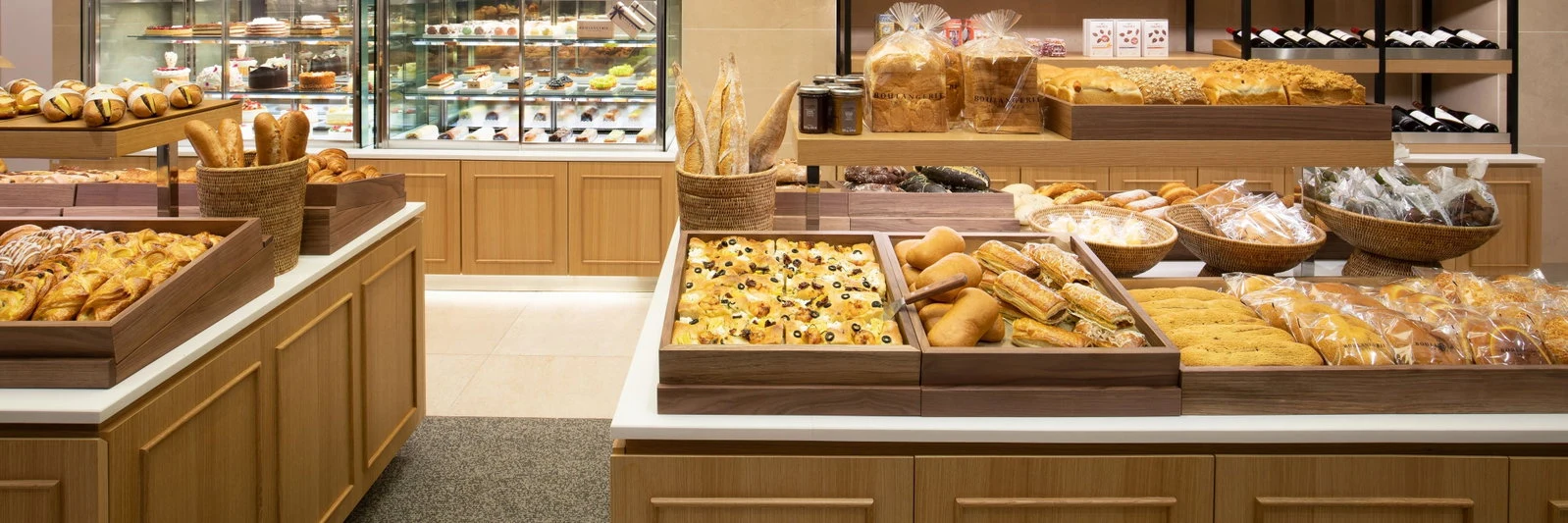
Approaching a hotel bakery in central Seoul differs from entering a neighbourhood patisserie. The cues are quieter: glass, polished stone, office-hour service rhythm, and a display case serving both the breakfast guest and the mid-afternoon buyer carrying a box across town. BOULANGERIE, THE PLAZA sits in this Seoul category, where craft is judged less by theatrical plating than by proofing, butter handling, fruit condition, and whether bread stays convincing after the morning rush.

Seoul’s bakery culture has become one of the city’s sharpest food signals. It absorbs French technique, Japanese precision, Korean café habits, and hotel-service discipline without forcing one identity. Hotel bakeries therefore compete not only with dessert counters, but between luxury hotel dining, premium takeaway, and the commuter economy of central districts. A Jung District pastry case must work for a guest between meetings, a traveller building breakfast around coffee and bread, and a local buyer with strong independent bakery options elsewhere.

Hotel bakery discipline in a city that takes bread seriously

The useful way to read BOULANGERIE, THE PLAZA is through sourcing and control. At this tier, ingredients are rarely decorative. Butter quality, flour consistency, dairy handling, chocolate storage, and fruit turnover decide whether a bakery feels serious or merely expensive. Seoul diners detect the difference quickly because the market has matured beyond novelty croissants and oversized café desserts. Better hotel formats favour reliable execution over constant reinvention, sensible in a room serving repeat guests rather than a single tasting-menu audience.

That places it apart from Seoul’s destination restaurants. The comparison is not whether a bakery should perform like 7th Door (Korean, Contemporary) or 24seasons (Modern Korean), where cuisine is framed through courses and chef-led interpretation. The closer question is whether a hotel bakery delivers enough precision to justify choosing it over a standalone café or full hotel restaurant. Nearby hotel dining peers such as The Seven Square, Hong Yuan, The Ninth Gate, and Sushi Cho serve fuller meal occasions; the bakery is narrower, faster, and more dependent on visible product quality.

That narrower format can help. Seoul’s higher-end dining often asks for planning, appetite, and time. A bakery counter compresses judgement into a smaller window: laminated pastry, loaf structure, cake finish, and careful presentation of perishables. The city is exacting about those details. Imported technique no longer carries a room alone; the product must fit Seoul’s daily eating pattern, where breakfast may be brief, lunch structured, and afternoon coffee taken seriously.

Why central Seoul changes the brief

Jung District gives this bakery a specific role. It is not the café-hopping Seoul of residential side streets, nor the late-night restaurant crawl of trend-led neighbourhoods. Central hotel dining is more transactional, though not necessarily less interesting. The area rewards places that deliver quickly without feeling careless, making bakery sourcing practical rather than abstract. A well-run display depends on steady replenishment, temperature control, and a range covering both immediate eating and takeaway.

For travellers mapping Seoul by meal type, this distinction matters. A bakery inside a major hotel is rarely the place to chase the city’s most experimental cooking, but it gauges hospitality standards: how the property treats small purchases, handles daytime service, and whether pastry is treated as a serious product rather than a coffee accessory. BOULANGERIE, THE PLAZA is strongest within that city-centre pattern, especially for readers preferring a controlled setting to a long restaurant sitting.

Seoul’s broader food map sharpens the choice. For full-service Korean cooking, the city ranges from specialist comfort formats such as 3rd Samgyetang to contemporary rooms and counter-led restaurants. For an address-driven survey, 10G and 118-5 Banpo-dong show how varied the restaurant field has become. A hotel bakery sits on the quieter side. Its value is not spectacle, but a composed pause in a city that often encourages over-scheduling.

How to place it in a Seoul itinerary

The sensible use case is daytime and precise. Treat the bakery as a central stop for bread, pastry, or a café break, not as a substitute for one of Seoul’s longer meals. The city’s dining scene is now segmented with unusual clarity: serious modern Korean, Chinese hotel dining, sushi counters, soup specialists, bars, cafés, and hotel bakeries each solve different problems. Travellers misread Seoul when they make one category behave like another.

Use the bakery as a soft anchor around heavier reservations. Our full Seoul restaurants guide is the better starting point for structured meals, while our full Seoul hotels guide gives the hospitality context. Evenings should be planned through our full Seoul bars guide, and specialist interests can branch into our full Seoul wineries guide or our full Seoul experiences guide. Beyond the capital, the Korean food map stretches from 100.1.Pyeongnaeng in Busan and Abbeyroad in Sokcho-si to Jeju addresses such as Badang Lounge in Jeju, ART CORDELIA in Seogwipo-si, and 88돼지 in 제주시. Baegyangsa Temple in Jangseong-gun shows another Korean tradition entirely, based on temple cooking rather than hotel polish. Internationally, compact Japanese-leaning formats such as Jōdo Saké Bar in Los Angeles and Onigiri Time in Pasadena underline the same point: format dictates expectation.

The editorial read is clear. BOULANGERIE, THE PLAZA is for travellers who value the controlled craft of a hotel bakery and understand that Seoul’s bread culture is serious enough to reward small decisions. Judge it by freshness, balance, and ingredient care, not by tasting-menu drama.

Tags

ModernCozyElegantCasual HangoutAfter WorkSoloFamilyHotel RestaurantDesign Destination
BOULANGERIE, THE PLAZA — Artefice