Why go
Espresso, latte and a deliberately narrow brief
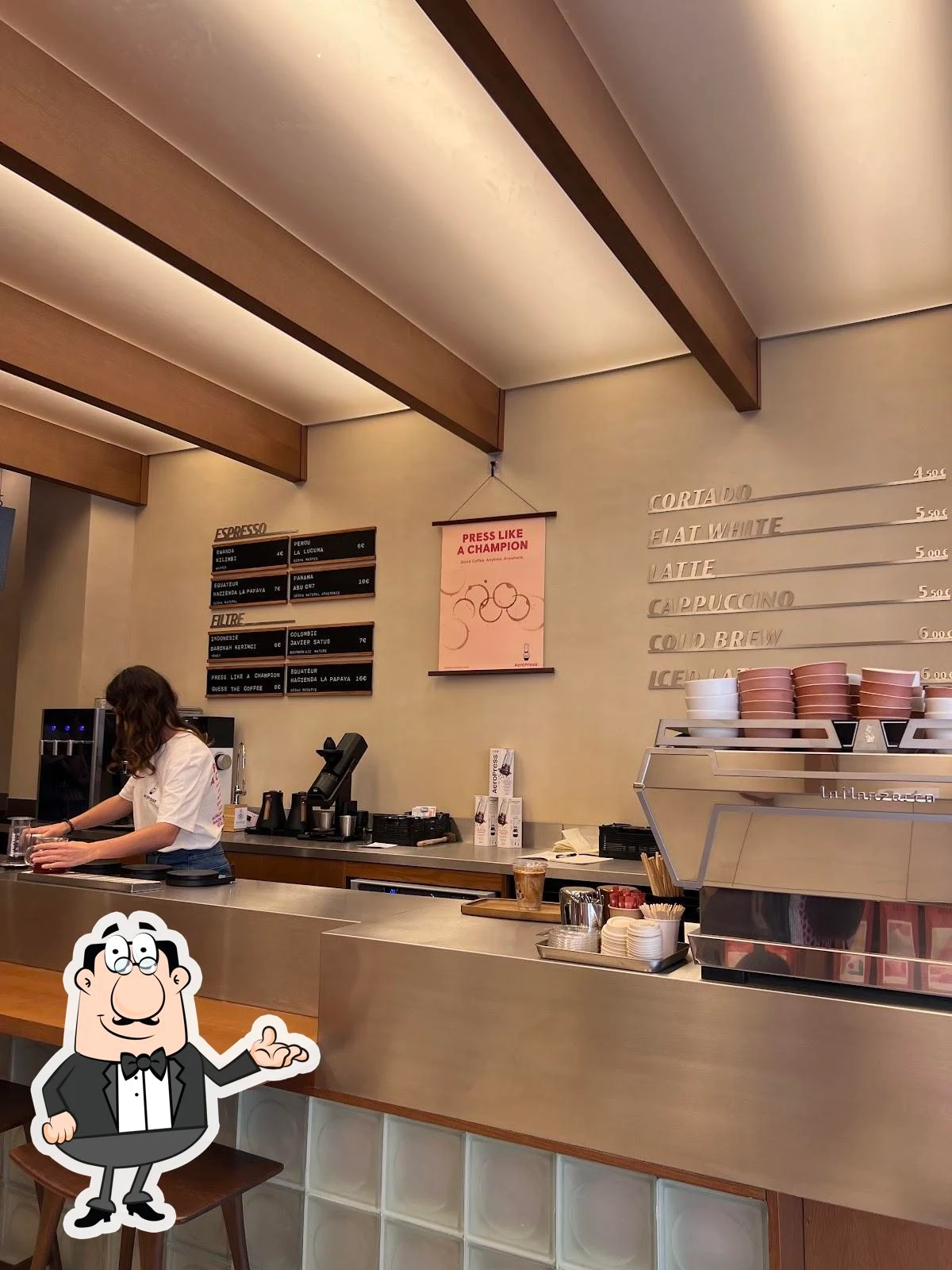
The brief at Café Pigalle is narrow on purpose: vrai bon café, in a Paris room small enough to make anything else impractical. Espresso is the centre of it, latte is the softer option, and the allongés cover the longer French-style cup for anyone settling in. There is no attempt at a sprawling drinks list, and the shortness of the menu is the argument.
Around the coffee sits a small épicerie of coffee-related things to take away, a handful of house-made sweet items and a lunch offer. All three are supporting acts, and the épicerie in particular is arranged around coffee rather than around a general grocery. The architecture of the place keeps coffee first and lets the food and the retail shelf extend a visit rather than compete with it.
A pocket-sized room inside Le Pigalle
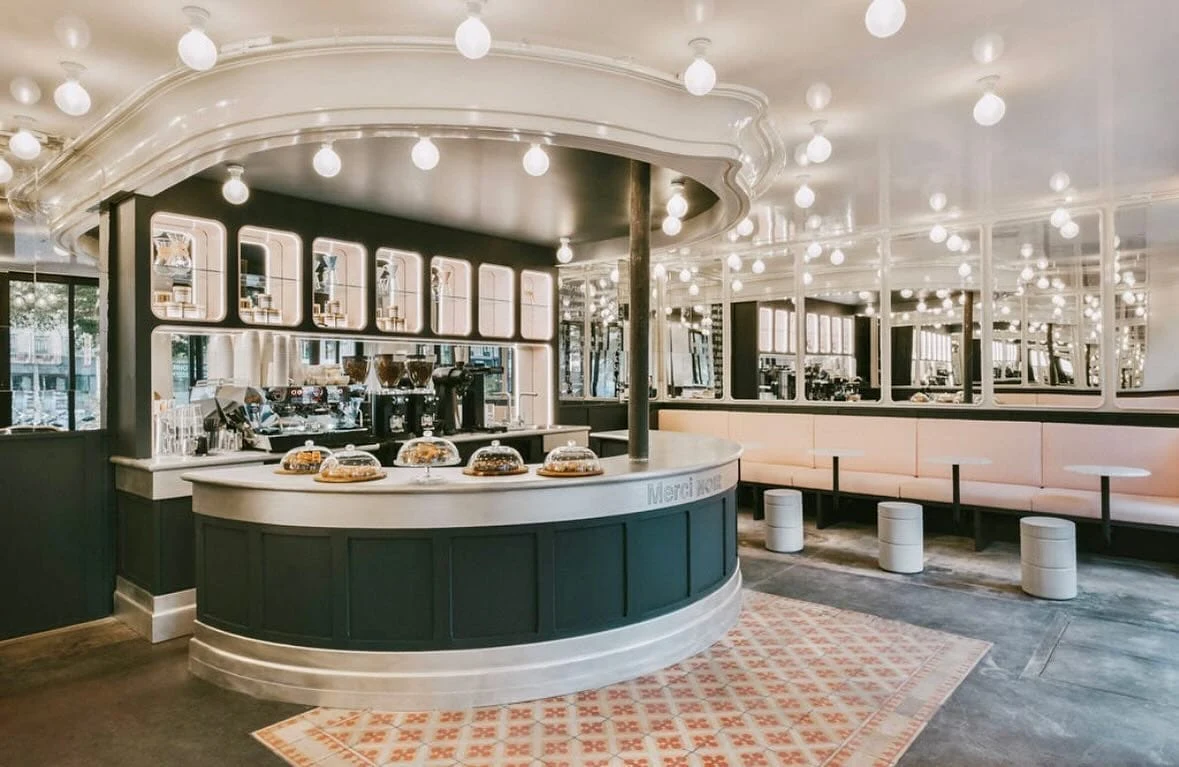
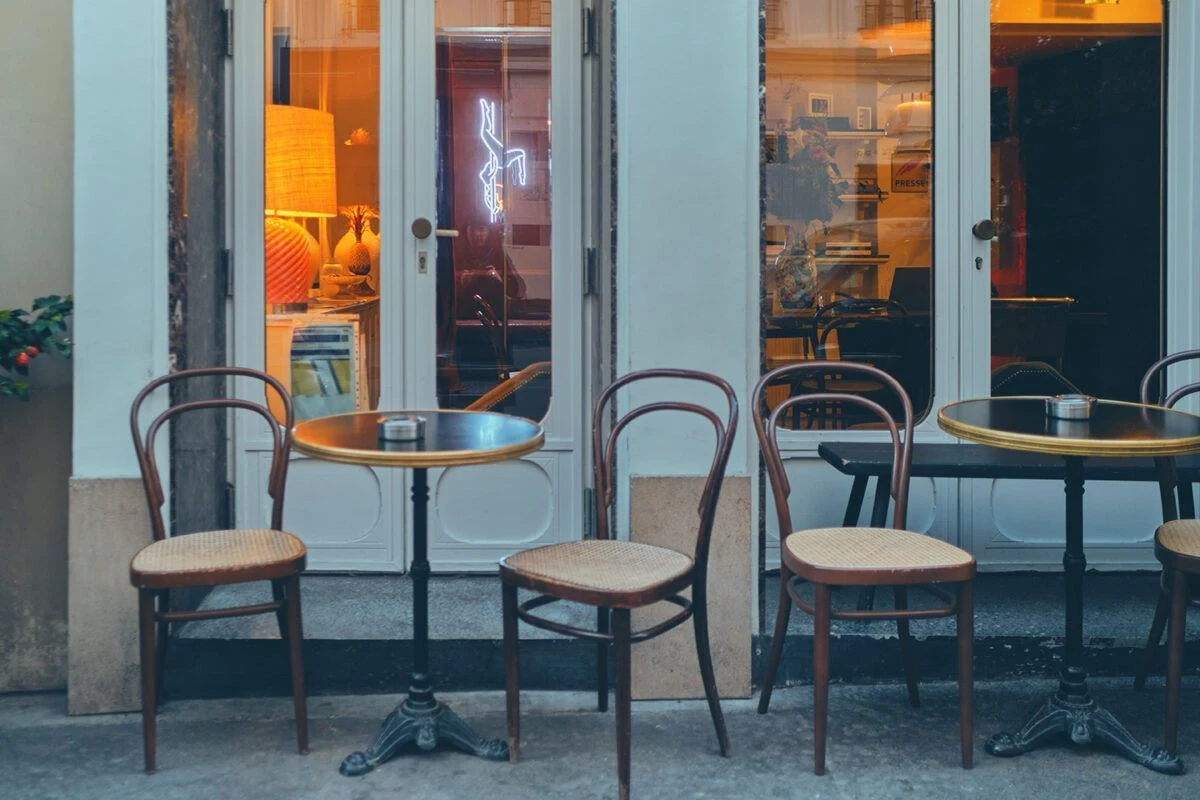
Café Pigalle operates within the Le Pigalle hotel, but it does not behave like a lobby bar. It faces the neighbourhood rather than the guest list, and the design is stripped back close to severity: a pocket-sized space, simple and radical, with nothing in it that is not being used.
That scale sets the terms. You can drink in, take away, or stop briefly on your feet, and all three are normal here. Behind the café there is a hidden room used for private dinners and events, which gives the place a second character entirely: public and unfussy at the front, discreet and occasion-driven behind it.
Order the espresso, then decide whether to stay
Start with the espresso if you want the most direct read on what this café is for. It is the drink the room was designed around, and in a space this small there is nowhere for a bad one to hide. If you want something rounder, the latte is the obvious alternative; if you want to sit with it longer, the allongé is the more sensible order.
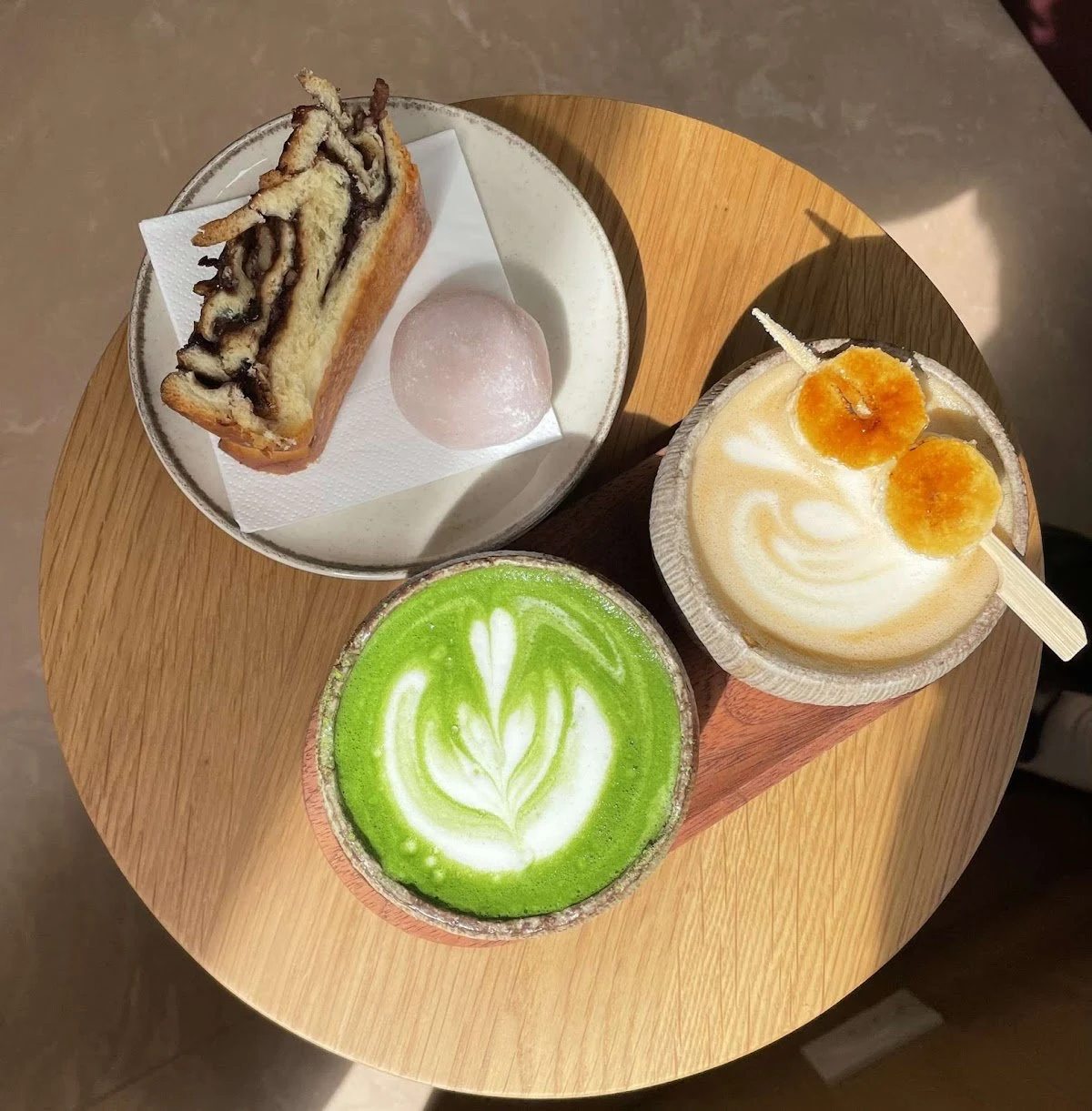
Food should be treated as an accompaniment rather than a plan. A house-made sweet beside the coffee is the natural pairing, and the lunch offer is there when the visit lands at the right hour. The most useful approach to a first visit is to keep it simple: order a coffee, stand or sit, and decide from there whether the room suits a pause, a takeaway or a longer stop.
Tags
Frequently asked questions
What should I order at Café Pigalle?
Espresso, which is the drink the room was designed around and the most direct read on what the café is for. The latte is the rounder alternative, and the allongé is the one to order if you plan to sit with it a while. A house-made sweet is the natural thing to put beside any of them.
What is the room at the back?
A hidden space behind the café, used for private dinners and events rather than everyday service. It gives the place a second character: unfussy and public at the front, discreet and occasion-driven behind. The café itself stays small, with drinking in, taking away and stopping briefly all treated as normal.
Compare nearby places
| Venue | Type | Area |
|---|---|---|
| Seamer Coffee Shop | Café | 9th arrondissement |
| Tanat - Victoria | Café | 1st arrondissement |
| Noir | Café | .multiple |
| Clove | Café | Montmartre |
| Motors Coffee | Café | 1st arrondissement |