Reykjavík City Centre

Canopy Central Café

CafeHotel Cafe4.6 on GoogleAbout $15 a head
Canopy Central Café

Why go

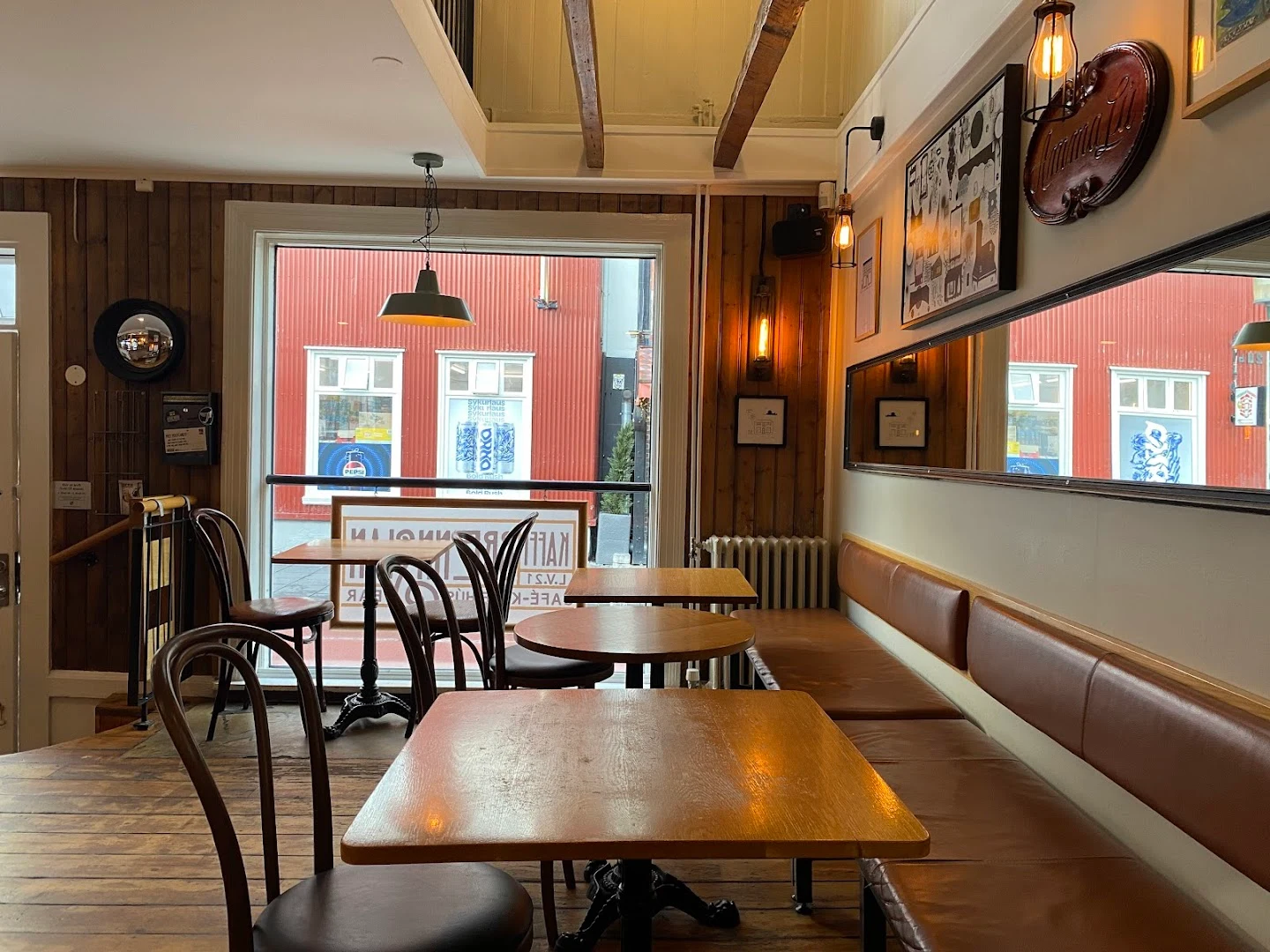
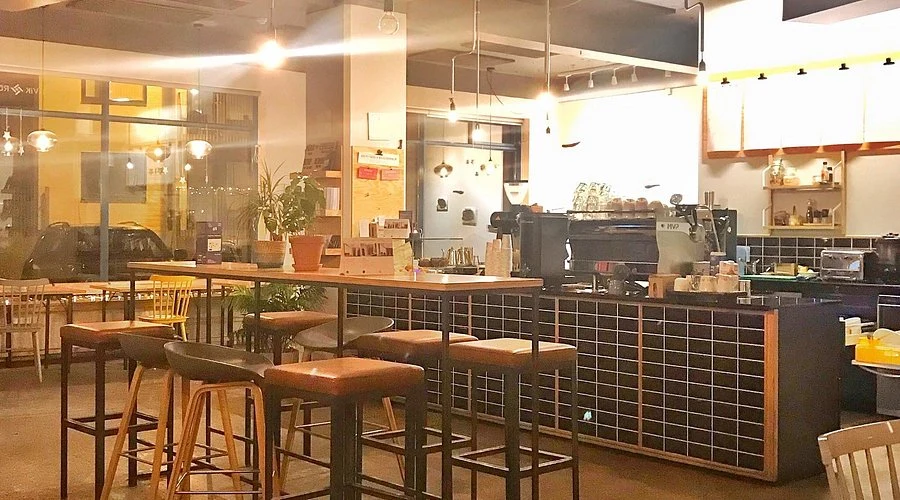
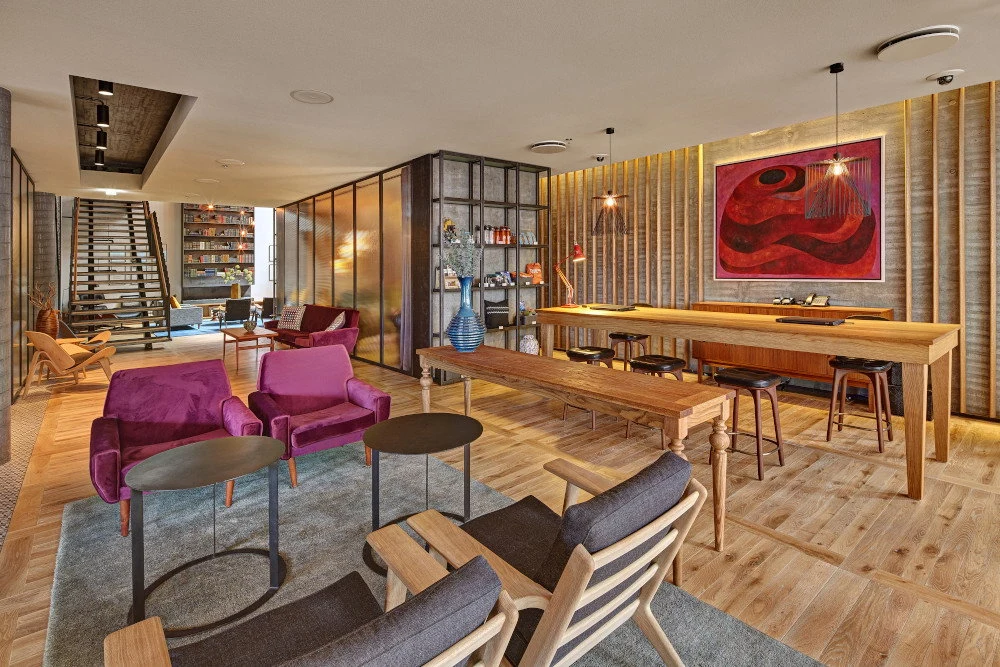
In central Reykjavík, the café threshold matters. The city’s core is compact enough that a morning meal, a late coffee and a pre-dinner drink can sit within the same few blocks, yet the weather often decides how long anyone lingers between them. Canopy Central Café belongs to that practical 101 Reykjavík rhythm: urban, hotel-adjacent in feel, and built for the traveller who wants a grounded pause rather than a formal dining appointment.

Reykjavík’s food identity is often discussed through seafood, lamb, dairy and greenhouse produce, but its everyday dining culture depends just as much on cafés. These rooms absorb the city’s mixed schedule: early arrivals off flights, shoppers moving through the centre, business meetings, families recalibrating after a windy walk, and diners who are saving appetite for a more structured meal later. In that context, Canopy Central Café is useful because it occupies the low-ceremony end of the spectrum, where sourcing and simplicity matter more than tasting-menu choreography.

A central café format in a city shaped by fish, dairy and short distances

Icelandic dining has a sourcing conversation built into it. The island’s geography pushes kitchens toward cold-water fish, lamb raised in open terrain, dairy with a strong local imprint, rye traditions, root vegetables and greenhouse-grown produce. A café in Reykjavík does not need to announce that context loudly; the stronger versions use the local pantry in ways that feel natural to breakfast, lunch and coffee service. That is the relevant lens here: not a destination restaurant competing on awards, but a central café sitting inside a city where ingredient origin is part of even casual dining.

The useful comparison is with Reykjavík’s broader middle register. Seafood specialists such as 3 Frakkar (Seafood) speak more directly to the capital’s coastal table, while all-day rooms such as Bergsson Mathús show how breakfast and lunch have become serious categories rather than filler between dinner bookings. Apotek Kitchen + Bar sits closer to the polished brasserie-and-cocktail model, and Amma Don and Bon Restaurant widen the map for visitors comparing casual, contemporary and dinner-led formats in the capital.

Canopy Central Café is better understood as part of the connective tissue between those meals. In Reykjavík, that connective tier matters because the city’s premium dining calendar can be uneven across the day: a demanding dinner reservation may be the anchor, but the success of the itinerary often depends on where breakfast, coffee and a light meal land. The café format gives travellers flexibility without pushing them into the heavier spend or pacing of a full restaurant sitting.

Why sourcing matters even when the format stays casual

The ingredient story in Iceland is not decorative. Import costs, seasonality and the scale of domestic production all shape what appears on menus, especially in casual rooms where value is scrutinised more closely than in tasting-menu dining. A café that works well in Reykjavík usually has to solve a different problem from a restaurant in a larger European capital: it must be approachable while still reflecting a pantry that is expensive to move, short in season and unusually place-specific.

That is why cafés can be a useful read on the city. Formal restaurants may refine the same raw materials into courses, but casual kitchens reveal how those ingredients behave in daily life. Dairy shows up in breakfasts and baking, fish and seafood set expectations across the city, and greenhouse produce has become part of the modern Icelandic table rather than a novelty. For a visitor building a food itinerary, this tier offers context before moving into more specialised rooms.

Beyond Reykjavík, the sourcing picture becomes even clearer. Friðheimar in Reykholt is tied to Iceland’s greenhouse conversation, Fjöruborðið in Stokkseyri points toward coastal dining outside the capital, and Blue Lagoon in Grindavík connects restaurant planning with the country’s spa-and-lava-field tourism circuit. In the north, Bautinn in Akureyri and All Meals Included- Chef in Olafsfjördur show how regional travel changes the dining equation again. For a higher-structure Icelandic meal, Chef's Table at Moss Restaurant in Iceland sits in a different category entirely.

How to place it in a Reykjavík itinerary

The sensible use case is daytime or early-evening flexibility in the 101 district. Travellers staying centrally can treat Canopy Central Café as a convenient anchor between museum time, shopping streets and dinner plans, rather than as the single meal around which a day is built. That distinction matters: Reykjavík rewards both serious reservation planning and casual gaps, and this address belongs to the latter category.

For a fuller city read, compare it with the wider EP Club Reykjavík coverage: Our full Reykjavík restaurants guide maps the dining field, while Our full Reykjavík hotels guide, Our full Reykjavík bars guide, Our full Reykjavík wineries guide and Our full Reykjavík experiences guide help separate a quick city stay from a broader Iceland itinerary. The point is calibration: use the café for ease and centrality, then spend reservation energy on the meals where format, sourcing and setting carry more weight.

Reykjavík also sits in a global traveller’s dining circuit, so casual Japanese and sake-led formats such as Jōdo Saké Bar in Los Angeles or Onigiri Time in Pasadena are useful reminders that informal does not mean careless. The better casual rooms are judged by fit: whether they solve the day’s needs, respect local ingredients and make sense within the city’s pace. On that basis, Canopy Central Café reads as a practical Reykjavík address for travellers who want the city’s food culture in a relaxed register before the more formal decisions begin.

Tags

ModernCozyTrendySoloCasual HangoutAfter WorkLate NightHotel RestaurantDesign Destination