Why go
Gelato in the Interior: What It Means to Find It in Ipatinga
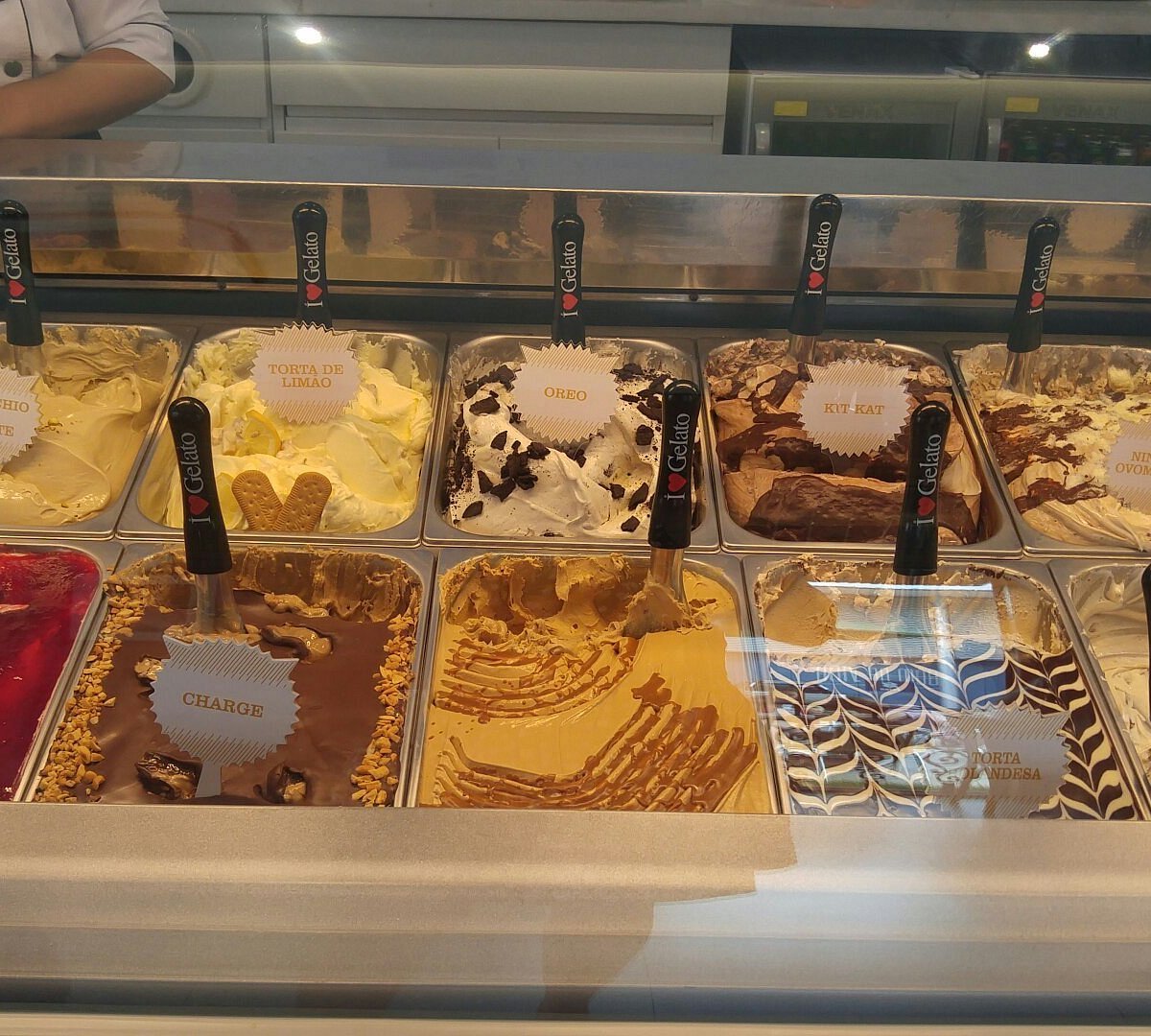
Brazil's relationship with frozen desserts runs deep, but it is not uniform. Along the coast, Italian immigrant communities in São Paulo and the south established a gelato tradition that has slowly filtered into the country's broader food culture. In cities like Ipatinga, an industrial hub in Minas Gerais built largely around the Usiminas steel complex, that tradition arrives later and with less infrastructure around it. Gran Gelato, on Av. Carlos Chagas in the Cidade Nobre neighbourhood, is an artisan Italian gelateria operating in a market where soft-serve and industrial ice cream still define most consumers' expectations.
That context matters when assessing what Gran Gelato represents. Gelato differs from conventional ice cream in two fundamental ways: lower butterfat content and lower overrun (the amount of air churned into the mixture during freezing). The result is a denser, more intensely flavoured product that must be served at a slightly warmer temperature than standard ice cream to reach the right consistency. These are production choices with real consequences for flavour and texture, and they require a level of process discipline that most mass-market frozen dessert operations do not maintain. Finding that discipline applied in a secondary city rather than a major metropolitan centre reflects a broader shift in Brazilian food culture, where quality-led formats have begun appearing well beyond São Paulo and Rio de Janeiro.
Minas Gerais and the Food Identity Question
Minas Gerais carries one of Brazil's strongest regional food identities. The state's culinary reputation rests on dairy (queijo Minas is among the country's most recognised cheeses), slow-cooked pork and bean dishes, and a hospitality tradition that treats generous portions as a form of respect. Gelato is not native to this tradition, but it is not entirely foreign either. Italian immigration into Minas, while less concentrated than in São Paulo or Rio Grande do Sul, left culinary traces that persist in certain communities. More broadly, the state's dairy culture creates natural ingredient alignment: high-quality fresh milk and cream, the base materials of good gelato, are available with the kind of regional specificity that can distinguish a local producer from a chain operation.
Ipatinga itself is a planned city, built to house workers for the steel industry and incorporated only in 1964. Its food scene has developed more recently than those of older Minas cities like Ouro Preto or Diamantina, and it continues to evolve. Venues like Buoni Amici à lenha and Kejo's Burger Delivery reflect a city working through a range of formats and cuisines as its dining culture matures. Gran Gelato belongs to that same moment of development, representing a category that requires both producer commitment and consumer education to sustain.
The Italian Gelato Tradition and Its Brazilian Interpretation
The gelato tradition in Brazil traces primarily to Italian immigrants who arrived in the late nineteenth and early twentieth centuries, settling in concentrated numbers in São Paulo state and the southern states of Rio Grande do Sul, Santa Catarina, and Paraná. These communities carried production knowledge that eventually commercialised into dedicated gelaterias, some of which now occupy a serious position in Brazil's food critical conversation. The format has since spread without necessarily diluting: Brazilian gelato producers have shown genuine interest in local ingredients, using tropical fruits and native flavours to extend a European base into something distinctly regional.
This hybridisation is one of the more interesting dynamics in Brazilian dessert culture. The same instinct that drives chefs at places like D.O.M. in São Paulo and Lasai in Rio de Janeiro to anchor tasting menus in native Amazonian and Cerrado ingredients applies, at a different scale and price point, to gelato production. The question is whether a producer prioritises Italian technique as a disciplined framework or simply borrows the aesthetic while reverting to industrial methods. The distinction is not always visible to consumers but shows immediately in the product.
Cidade Nobre and the Commercial Context
Gran Gelato's address on Av. Carlos Chagas places it in Cidade Nobre, one of Ipatinga's more established commercial and residential areas. The avenue functions as a primary artery in this part of the city, carrying a mix of retail, services, and food businesses that serve both the neighbourhood's residents and a broader catchment from surrounding areas. For a gelato operation, foot traffic and accessibility matter considerably: unlike a destination restaurant that draws diners willing to travel specifically, a gelateria depends on being findable at the moment a craving arises.
Brazil's interior cities have seen consistent growth in quality food retail over the past decade, driven partly by rising middle-class incomes and partly by increased exposure to food culture through social media and urban migration patterns. Ipatinga, with a population of roughly 270,000, sits at a scale where specialist food businesses can find a sustainable audience without requiring metropolitan density. That is the market logic that makes Gran Gelato viable in Cidade Nobre rather than only in a city like Belo Horizonte.
Comparable developments in other Brazilian cities are visible in venues from Bistro Fitz Carraldo in Manaus to Cantina Pozzobon in Santa Maria, each representing a moment where a specific food tradition takes hold in a city building its dining identity. Similar patterns appear in Casa da Flor Restaurante in Dourados, Famosa Pizza in Ribeirao Preto, Fornazzo Pizzaria in Passo Fundo, Kampeki Sushi in Canoas, Madê in Santos, Aero Burguer e Grill in Santa Cruz Do Sul, Arte e café Imperial - Matriz in Angra Dos Reis, Casa da Dika Restô e Eventos in Braganca, and Casa da Picanha Penedo in Itatiaia.
Planning a Visit
Gran Gelato is located at Av. Carlos Chagas, 181, Cidade Nobre, Ipatinga, Minas Gerais. Current hours and booking details should be checked before visiting. As a gelateria, a walk-in visit on arrival is the format.