Why go
A case built on French technique
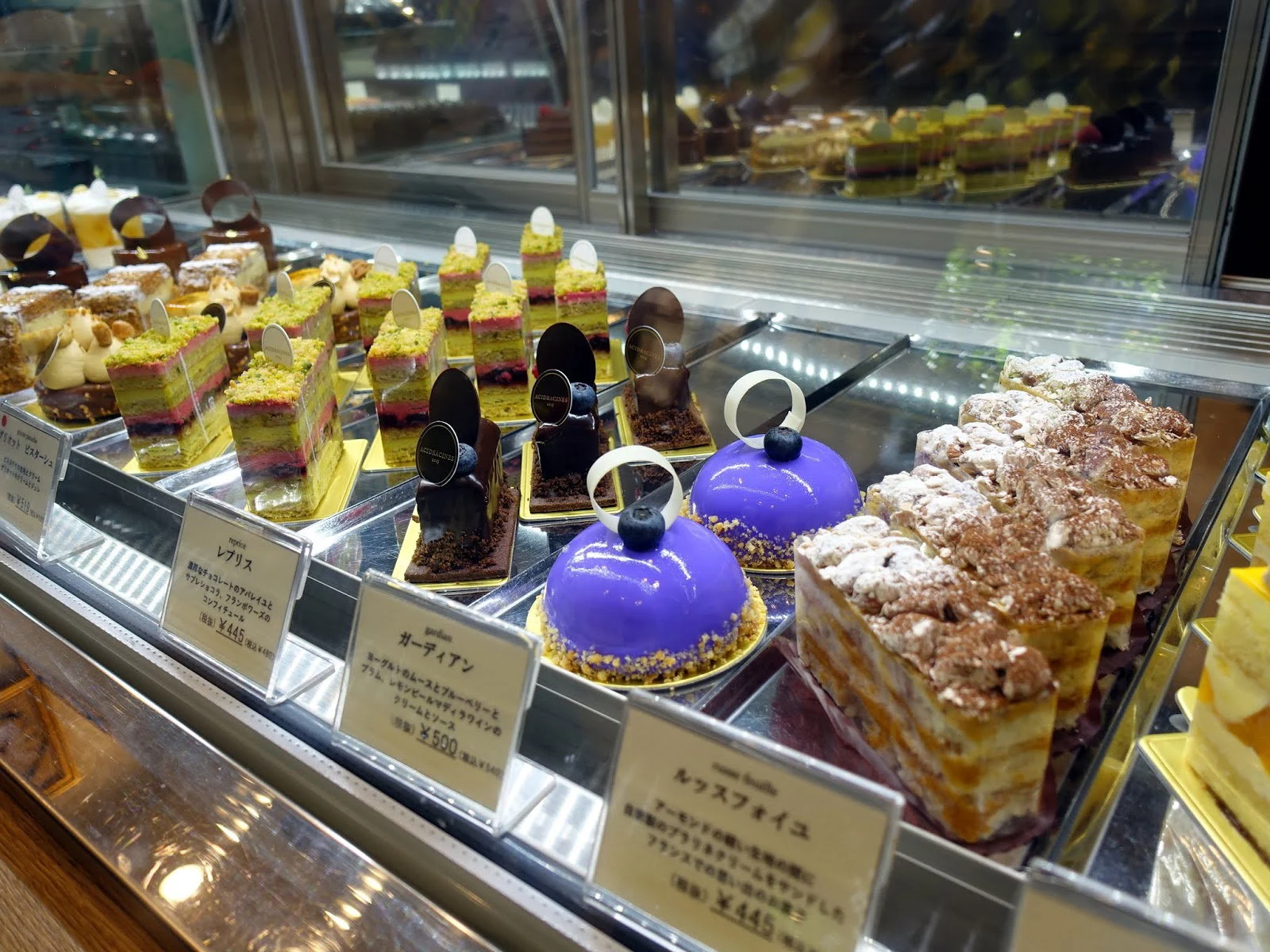
The case is the argument at LA PATISSERIE KATSURA: individual cakes and baked sweets made one at a time, with no shortcut taken between choosing an ingredient and finishing the piece. The line runs through Basque cheesecake, Passy, mille-feuille, Paris-Brest, Mont Blanc, Iéna, Charonne, financier, cannelé, Tigre, Maple Financier and Block Pistache, which is a classical French list read in a Japanese register.
The detail carries the shop. Basque is made with European natural cheese and sold in small and large formats, the clearest signature in the case. Paris-Brest works two creams, praline almond and chocolate. Mille-feuille layers house-made pastry with thick custard. Mont Blanc brings Japanese chestnuts into a coffee-flavoured meringue cake, which is where French form and a local ingredient meet most directly. The shop takes the chef’s own name, chosen so customers would find it easy to remember.
A neighbourhood case, not a formal salon
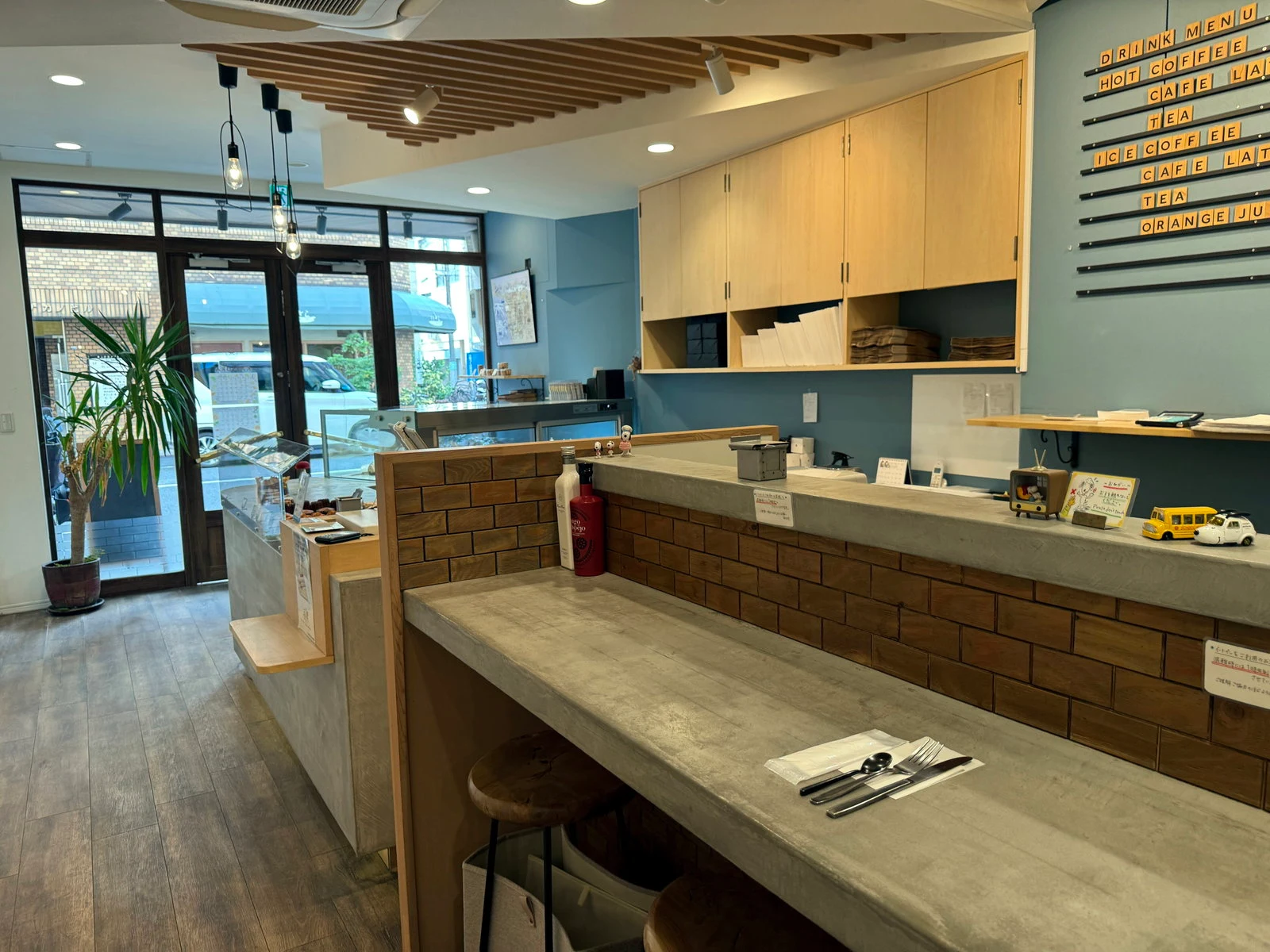
Katsura is approachable rather than ceremonial. The room is café-like and easy to step into, and the sweets are pitched as a small daily luxury rather than the finale of a long tasting structure. That puts it closer to a polished neighbourhood pâtisserie than a dessert salon, and the visit is retail-first: read the case, choose, and let the pastry do the rest.
The chef’s route explains the tone. Five and a half years at a well-known Osaka shop came first, then study of ingredients and technique in France, further work in Spain, and about three years in Tokyo before opening here with the aim of being useful to the people living nearby. The shop was named to the Tabelog 100 for 2023 at No. 66.
Start with Basque, then choose by technique
Start with Basque for the most direct expression of the house style: European natural cheese, small or large, treated as a staple rather than a one-off. After that, choose by texture. Mille-feuille is the layered option, house-made puff pastry against thick custard. Paris-Brest is richer and nuttier. Mont Blanc suits anyone after chestnut and coffee meringue.
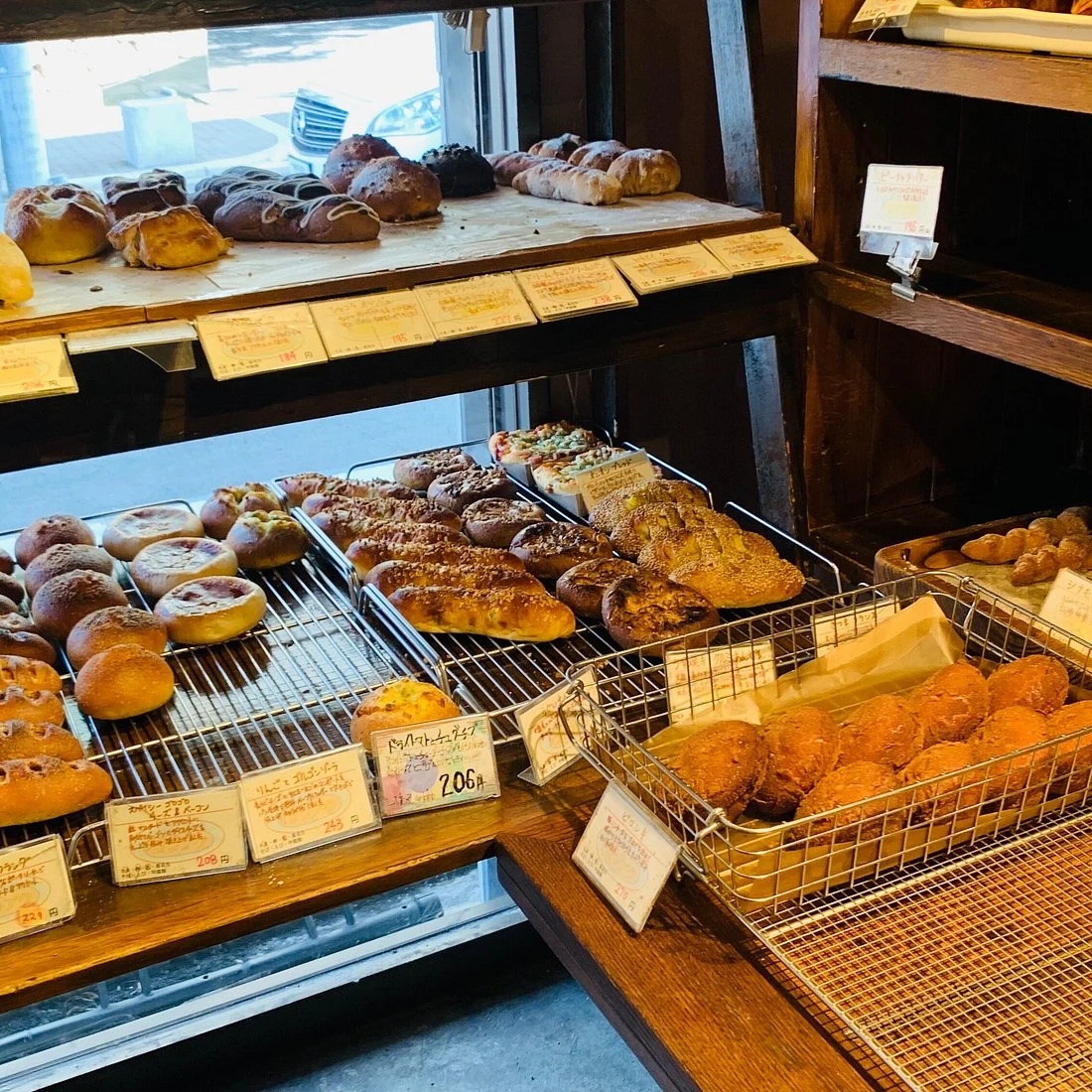
The rest of the case rewards a second visit. Iéna combines mascarpone cream with milk chocolate mousse; Charonne works banana mousse, caramel almond cookie and caramel cream. Among the baked sweets, financier and cannelé are the classics, Tigre adds ganache, chocolate chips and rum to financier dough, and Maple Financier takes the same form somewhere sweeter. Block Pistache is the outlier, a yeasted bread item in plain and pistachio versions, made without egg.
Frequently asked questions
What should I order first at LA PATISSERIE KATSURA?
Start with the Basque cheesecake, made with European natural cheese and sold in small and large sizes. It is the shop’s clearest signature. After that, choose by technique: mille-feuille for layers, Paris-Brest for praline almond and chocolate cream, or Mont Blanc for Japanese chestnut and coffee meringue.
Are there baked sweets as well as fresh cakes?
Yes. Alongside the fresh cakes the case carries financier, cannelé, Maple Financier and Tigre, which folds ganache, chocolate chips and rum into financier dough. Block Pistache is a yeasted bread item made without egg, sold in plain and pistachio versions, and it travels better than the cream cakes.
Compare nearby places
| Venue | Type | Area |
|---|---|---|
| Patisserie Ravi,e relier | Bakery | Nakazakicho / Kita-ku |
| Boulangerie goût | Bakery | Chuo Ward |
| patisserie accueil | Bakery | Kitahorie |
| Patisserie La Plage | Bakery | Chuo Ward |
| Boulangerie & cafe gout | Bakery | Tanimachi 4-chome / Chuo Ward |